
E.E. Ward Moving & Storage
How to Keep Your Pet Safe During a Move: A Vet-Approved Guide
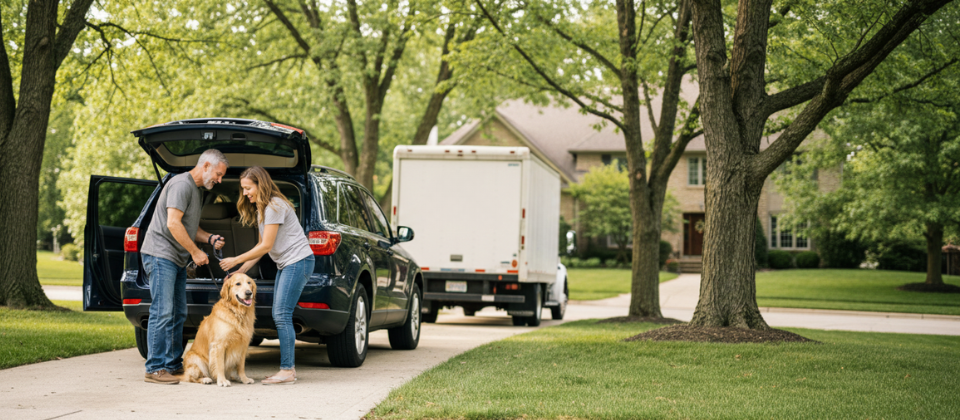

Moving with pets requires more than just a familiar blanket and a calm tone. The process is a significant medical event, and a pre-move veterinary consultation is critical to create a medical-grade welfare plan. This approach mitigates serious health risks that go far beyond simple anxiety, ensuring your pet's physical and emotional safety.
For over 140 years, we at E.E. Ward Moving & Storage have seen families through every kind of transition. We understand that moving is about more than just boxes; it’s about safely relocating your entire life, including its most cherished members. While many moving checklists mention packing a pet’s favorite toy, this common advice dangerously underestimates the physiological impact of a move. Standard comfort measures are a starting point, but they are not a substitute for a proactive, health-focused strategy.
The core of a successful pet move isn’t a better crate; it’s a better plan. This guide reframes the conversation from simple comfort to medical wellness, providing the tips you need to protect your pet from the profound stress of relocation.
Why 'moving stress' is a serious medical risk for your pet
When we say a pet is "stressed," we often picture whimpering or hiding. But beneath the surface, a complex and potentially damaging physiological cascade is occurring. For an animal, the sudden disassembly of their territory, the influx of strange people, and the complete upheaval of their routine are perceived not as an inconvenience, but as a direct threat to their survival. This triggers a powerful fight-or-flight response, flooding their system with hormones like cortisol and adrenaline.
Prolonged exposure to these hormones can lead to tangible physical illness:
- Gastrointestinal Distress: Vomiting, diarrhea, and loss of appetite are common external signs of an internal system in turmoil.
- Immune System Suppression: Chronic stress weakens the immune response, making a pet more susceptible to infections, especially upper respiratory infections, which are common in cats after a stressful event.
- Urinary Tract Issues: In cats, stress is a primary trigger for feline idiopathic cystitis (FIC), a painful inflammation of the bladder that can lead to life-threatening urinary blockages.
- Behavioral Regression: A surge in stress can cause a well-trained dog or cat to revert to destructive behaviors, inappropriate urination, or even aggression as they struggle to cope.
Viewing pet anxiety through this medical lens is the first step. It shifts the goal from merely keeping a dog quiet in the car to actively protecting their physical health from the very real consequences of a high-stress event. The familiar scents from their favorite blanket are helpful, but they do little to combat the internal hormonal storm.

The most overlooked step: A pre-move veterinary consultation
The single most critical component of your pet’s moving plan is a dedicated consultation with your veterinarian, scheduled weeks or even months in advance. While it’s recommended to consult a veterinarian who may be able to offer suggestions for reducing pet anxiety during a move, many owners limit this visit to simply obtaining a health certificate. This is a missed opportunity to create a medical-grade welfare plan that addresses your specific pet’s needs.
During this consultation, be transparent about your pet’s temperament and the nature of your move. Is your cat prone to hiding during thunderstorms? Does your dog suffer from separation anxiety? Is it a short local move or a cross-country flight? This information allows your vet to become a strategic partner, recommending a multi-faceted approach that is vastly underutilized by the general public.
Medical-Grade Stress Management Tools
Your vet has an arsenal of tools that go far beyond basic comfort items. These interventions are designed to manage the physiological response to stress, not just mask the symptoms.
- Anxiolytic Medications: These are not the heavy sedatives of the past. Modern anxiety medication like Trazodone or Gabapentin can reduce fear and panic without complete sedation. They help a pet remain calm and aware, which is far safer than being disoriented, especially during car travel safety checks or flights.
- Nutraceuticals and Supplements: Products containing L-theanine, Tryptophan, or milk-derived proteins can have a calming effect for pets with mild to moderate anxiety. These are often available as calming chews and can be started days or weeks before the move.
- Pheromone Therapy: A pheromone diffuser like Feliway for cats or Adaptil for dogs mimics the natural calming pheromones released by mother animals. Plugging one in at your old house and then immediately at the new home helps create a sense of familiarity and security in an unfamiliar space.
By partnering with your vet, you’re not just getting a prescription; you’re getting a customized strategy to ensure your pet is medically prepared for the journey ahead.
A tale of two moves: Local vs. long-distance pet relocation
A common mistake is applying the same moving plan to vastly different scenarios. The preparation required for a move across town is dramatically different from the logistics of a long-distance move, especially one involving air travel. Debunking the "one-size-fits-all" myth is key to your pet's safety.
Local moves: Managing the chaos
For a local move, the primary challenge is the disruption of moving day itself. The presence of professional movers, open doors, and the noise of packing supplies can be overwhelming. The best strategy is to remove your pet from the equation entirely.
Consider using a trusted pet sitter, a friend's house, or a day at a boarding kennel. This keeps them away from the most chaotic part of the process. If that's not possible, establish a "safe room." Choose a bathroom or spare bedroom, place their bed, litter box, food, water, and comfort items inside, and put a clear sign on the door that says "DO NOT OPEN." This secure space prevents escape and minimizes their exposure to the commotion. When it’s time to go, your pet should be the very last thing you move from the old house and the very first thing you set up in the safe room of the new home.
Long-distance and air travel: Navigating the complexities
A long-distance move introduces a new layer of logistical and medical hurdles. This is where early planning with your vet becomes non-negotiable.
Your first step is understanding the regulatory landscape. Every state has different requirements for animal entry, but nearly all will require a recent Certificate of Veterinary Inspection (CVI), also known as a health certificate, issued by an accredited vet. You will also need up-to-date vaccination records. Keep these documents with you, not packed in the moving truck.
International pet travel is even more complex. You must work with the USDA APHIS and the destination country's consulate to meet all requirements. Timelines can be extensive; for example, Japan requires at least 180 days between the rabies titer test and a pet’s arrival into the country, demonstrating how long these medically-dependent processes can take. Some destinations require a pet passport and lengthy quarantine requirements.
While an estimated 6% of pets in the US travel on a plane every year, air travel is one of the most stressful experiences for an animal. You must use an IATA-compliant carrier. For larger dogs that cannot fly in an in-cabin pet carrier, the cargo hold is the only option. In these cases, airlines may require pets to be shipped through a licensed commercial shipper, adding another layer of complexity. Reputable pet transport services can manage these logistics, but it's crucial to understand the process. It's also vital to know that some animals are simply not allowed; the U.S. Centers for Disease Control and Prevention (CDC) prohibits the importation of African rodents, bats, and nonhuman primates as pets under any circumstances, a rule that also applies to certain exotic pet transport.
Beyond the basics: Comparing comfort vs. medical strategies
Understanding the pros and cons of different approaches allows you to build a comprehensive plan that uses the best of both worlds. It’s not about choosing one over the other, but about knowing when a simple comfort item is enough and when a medical intervention is necessary.
Common 'comfort-based' advice
Pros: This approach, which includes using familiar scents, favorite toys, and maintaining a routine, is non-invasive and easy for any owner to implement. It provides a valuable baseline of emotional support and should always be part of a moving plan. It helps your dog or cat feel a sense of continuity.
Cons: These measures are often insufficient for pets with moderate to severe pet anxiety or for high-stress events like air travel. They do not address the underlying physiological stress response and can give owners a false sense of security that they are doing enough when the pet’s internal system is in crisis.
Veterinary-prescribed medical strategies
Pros: Interventions like anxiolytics, supplements, or a ThunderShirt directly target the neurological and physiological roots of stress. They can prevent serious health complications, provide a more predictable level of calm, and are essential for ensuring animal welfare during unavoidable high-stress scenarios.
Cons: This approach requires professional consultation, which involves time and cost. Medications can have side effects if not administered correctly and may require a trial run to find the right dosage. They may not be necessary for very calm pets undergoing a simple local move.
The first weeks in your new home: A decompression and acclimatization plan
The move isn't over when the last box is unpacked. For your pet, the most challenging part is just beginning: adapting to a completely alien territory. A structured decompression and acclimatization plan is vital for re-establishing security and preventing long-term behavioral issues.
Answering a key question: What is the 3-3-3 rule for pets?
The 3-3-3 rule is a common guideline in animal rescue that provides a helpful framework for managing expectations. It suggests it takes:
- 3 Days for the pet to decompress and begin to overcome their initial fear and overwhelm.
- 3 Weeks for them to start learning the new routine and let their personality emerge.
- 3 Months for them to finally feel secure and truly "at home."
When considering the 3 3 3 rule for cats moving, it’s important to remember they are highly territorial and may take even longer, especially if they are shy. This rule is a guide, not a deadline. Patience and a consistent, positive reinforcement-based approach are key.
Creating a multi-week acclimatization schedule
Don't give your pet full run of the new house on day one. A gradual introduction prevents them from feeling overwhelmed.
- Week 1: The Safe Space. Just as you created a safe room during the move, maintain one in the new home. Keep your pet in a single room with all their essentials: food, water, litter box, bed, and toys. This becomes their secure home base. All interactions should be calm, and explorations of the rest of the house should be short and supervised.
- Weeks 2-3: Gradual Expansion. Slowly allow access to one or two more rooms at a time. Continue to use a pheromone diffuser. For dogs, begin exploring the new neighborhood on short, structured leash walks. Let them sniff and gather information at their own pace. Don't rush a visit to the local dog parks; let them get comfortable with their immediate surroundings first. Make sure your microchip information update has been completed with the new address.
- Month 1 and Beyond: Establishing Routine. By now, a new routine for feeding, walks, and playtime should be firmly in place. Continue to monitor for signs of lingering distress, such as hiding, changes in appetite, or destructive behavior. If these issues persist, it may be a sign of deeper separation anxiety or distress, warranting another call to your new veterinarian.
Ultimately, how long it takes pets to adjust to a new home depends on their individual personality and the support you provide. The 3-3-3 rule is a helpful reminder that this is a marathon, not a sprint.
Making the right choice for your needs
There is no single "best" way to move with a pet, only what is best for *your* pet and *your* situation. The right plan is built by understanding your pet's needs and leveraging the right professional resources.
For the 'first-time mover'
If you're new to this, your biggest task is shifting your mindset from "comfort" to "medical welfare." The basic advice you find online about using a favorite toy is a good start, but it's incomplete. Your most important action is to schedule a dedicated pre-move consultation with your vet, even for a local move. Discuss your pet's personality and ask about proactive stress-reduction strategies. Think of this visit as an affordable insurance policy for your pet's health and your peace of mind.
For the 'anxious pet parent'
You already know your pet is sensitive, and your concern is justified. Your vet is your greatest ally. Don't be afraid to advocate for your pet. Go to your appointment with a list of specific anxious behaviors you've observed and ask directly about a trial run with anxiolytic medication like Trazodone. A structured, vet-approved medication and behavioral plan can transform a terrifying experience into a manageable one for your dog or cat.
For the 'international relocator'
You are likely focused on the immense logistical and regulatory hurdles, from the pet passport to quarantine rules. While managing this mountain of paperwork, don't lose sight of the animal at the center of it. The stress of long-haul flights and potential quarantine is extreme. Your strategy must be twofold: work with a professional pet transport service to handle the complex logistics, and simultaneously work with your vet to create a robust medical plan to support your pet through the physiological demands of the journey.
Ultimately, a successful move is one where every member of the family arrives safe, sound, and ready to start a new chapter. Since 1881, E.E. Ward Moving & Storage has been dedicated to providing that level of care and professionalism. While we are proud of our history in Columbus, Ohio, our expertise and network of professional movers help families relocate across the country. For a comprehensive moving plan that accounts for the needs of every family member, furry ones included, contact our expert team for a free, no-obligation quote today.

Get a Quick Estimate For Your Upcoming Move!
We are here to help! Fill out our Quick Moving Estimate inquiry form and our team will contact you soon with a free estimate. Contact the office moving company with over a century of moving experience. Whether it’s a local downtown move or long-distance relocation — including business moves — we’re ready to help.
