E.E. Ward Moving & Storage
The Minimum Weight Trap: Why Traditional Movers May Not Be Right for Your Small Move


For a small long-distance move, traditional movers are often not the most cost-effective solution due to minimum weight charges. The secret to an affordable, hassle-free relocation is to explore alternative logistics like portable storage containers or consolidated freight shipping, which are better suited for smaller loads.
The 'Minimum Weight' Trap: Why Traditional Van Lines Can Be a Poor Fit
For over a century, the process for interstate movers has been straightforward: a professional moving crew arrives with a large truck, loads your entire home, and drives it to your new destination. This model works beautifully for large family homes, but for smaller moves—the contents of a studio, a one-bedroom apartment, or just a few pieces of prized furniture—it breaks down. The reason is a simple economic reality known as the "minimum weight trap."
Large long distance moving companies, including esteemed networks like North American Van Lines and Allied Van Lines, build their pricing on the weight of a shipment and the distance it travels. To make a cross country moving trip profitable, they must fill their truck. Consequently, they establish a minimum billable weight, often between 2,000 and 3,000 pounds. If your belongings only weigh 1,000 pounds, you will still be charged for the 2,000-pound minimum. You end up paying for empty space on the truck, making it one of the least affordable moving options for a small load.
This pricing structure is an industry standard. For example, in some states, regulatory bodies formalize this system. In North Carolina, a regulated pricing model for moves over 35 miles is based on the weight of the shipment and the distance, a system that can be inefficient for small loads. This model leaves college dorm movers, single item movers, and anyone not moving a full household searching for a better, more equitable solution.
Beyond the Moving Truck: Better Alternatives for Your Small Move
The secret to saving money and stress is to stop searching for traditional residential moving services and start thinking like a logistics expert. Your small move is not a "household goods" problem; it's a "shipping" problem. By reframing it this way, a world of efficient, cost-effective solutions opens up. Here are the three main alternatives to consider.
Portable Storage Containers (Moving Pods)
You’ve likely seen them in driveways. Companies like PODS, U-Pack, and U-Haul U-Box deliver a weatherproof container to your home. You have a set period—days or even weeks—to load it at your own pace. Once you’re done, the company picks it up and transports it to your new address. This method essentially separates the transportation from the labor, giving you immense flexibility. It's an excellent choice for moving and storage solutions, as you can often keep the container in short-term storage if your new home isn't ready.
Consolidated Freight Shipping (LTL)
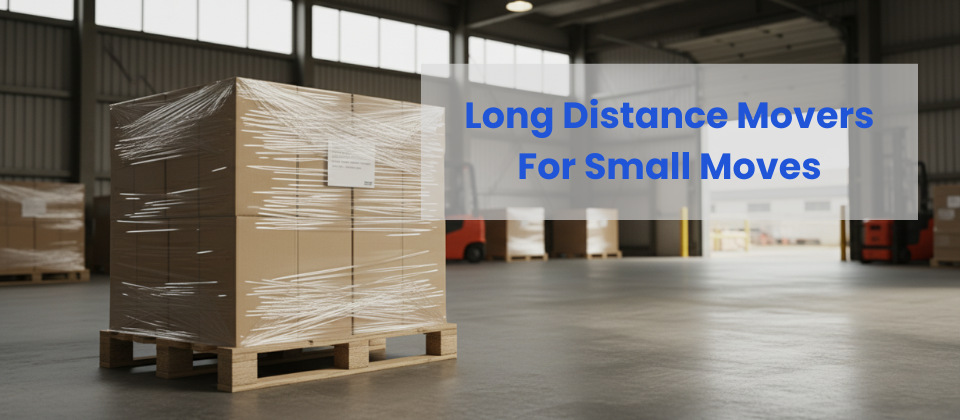
Less-Than-Truckload (LTL) shipping is the logistics industry's answer to small moves. Your belongings are professionally loaded onto a large commercial truck, but they share space with other commercial and residential shipments heading in the same direction. You only pay for the linear feet of space your items occupy. Companies that specialize in this are often called partial load movers or small move specialists. This is frequently the cheapest way to move a few items across the country, especially heavy furniture. Services like FedEx Freight or dedicated small move companies operate in this space, offering a more industrial but highly efficient service.
Parcel Shipping & Specialized Crating
For the smallest of moves—think a few boxes of books, a computer, and some clothes—don't overlook standard parcel services like UPS or FedEx. For a single, high-value item like an antique grandfather clock or a piece of art, a specialty service like Navis Pack & Ship is the superior choice. They offer white glove delivery service, including custom crating and handling, ensuring your most precious items get the care they deserve. This option gets expensive quickly, but for the right items, the peace of mind is worth it.
Matching the Method to Your Move: A Practical Decision Guide
Choosing between these options depends entirely on your priorities. Is budget your primary concern, or is it convenience? How much work are you willing to do yourself? Here’s a breakdown of the key factors.
Cost-Effectiveness & Pricing Model
Traditional movers often require a detailed in-home or virtual survey for moving to provide a binding estimate, but their minimum weight charges make them expensive for small loads. Portable storage containers often offer a flat-rate moving price per container, making budgeting simple. Consolidated freight is typically the most cost-effective, as you only pay for the exact space you use. Always ask for a free moving quote from multiple providers to compare.
Timeline & Flexibility
A dedicated moving truck is fastest, as it goes directly from Point A to Point B. Portable containers offer the most flexibility, allowing you to load over several days and easily add storage time. LTL freight is the slowest option. Since the truck makes multiple stops, transit times can be unpredictable, often spanning one to three weeks. If you have a firm move-in date, this may not be the best fit.
Convenience & Labor
This is the classic "money vs. time" tradeoff. A traditional van line can provide full-service packing, loading, and unloading. With containers and LTL, you are generally responsible for packing and loading, though you can hire local loading and unloading help to assist. If you prefer a completely hands-off experience, stick with a full-service provider.
Security & Handling
With a professional moving crew, your items are the only ones on the truck. With a portable container, your goods are sealed inside your own private space. In LTL shipping, your shipment is on a truck with other goods, and it may be moved between trucks at terminals, slightly increasing the risk of damage. Always ensure any company you use is a licensed and insured mover and that you understand their valuation coverage (moving insurance) options. Your contract, or bill of lading, should clearly outline these protections.
The Rise of the 'Micro-Move': A Modern Relocation Trend
The growing demand for small move solutions isn't just about saving money; it reflects a fundamental shift in why and how Americans move. Decades of data show that long-distance moves are different from local ones. As the U.S. Census Bureau notes, long-distance (interregional) moves are more likely to be job-related. In today's economy, with the rise of remote work and specialized careers, a professional might relocate for a two-year project or a new opportunity without moving an entire family or household.
This trend contributes to the rise of what we call the "micro-move." While census data shows that the overall percentage of the population moving declined between 2006 and 2019, the nature of these moves is changing. We see more single-person households, downsizing seniors moving to be near family, and young professionals making strategic career moves. These demographics don't need a 53-foot truck; they need smart, flexible, and affordable relocation services tailored to a smaller inventory.
How to Spot a Reputable Mover and Avoid Red Flags
Regardless of which method you choose, it's critical to work with a trustworthy company. The moving industry is regulated, but rogue operators still exist. Here are some key red flags to watch for in movers:
- Large Upfront Deposits: Reputable movers do not require a large cash deposit before your move. Payment is typically rendered upon delivery.
- Vague Estimates: A mover who gives a quote over the phone without a detailed inventory or virtual survey is likely to surprise you with hidden fees. Insist on a written, binding estimate.
- Lack of Credentials: A legitimate interstate mover must have a Department of Transportation (DOT) Number and be registered with the Federal Motor Carrier Safety Administration (FMCSA). You can look up their safety record online.
- Unprofessional Appearance: If the crew arrives in a rental truck instead of a company-branded vehicle, it's a major red flag.
Making the Right Choice for Your Needs
There is no single "best" way to move. The right choice depends on your specific inventory, budget, and priorities.
The College Student / Recent Graduate
For someone moving out of a dorm or a first studio apartment, budget is paramount. The cheapest way to transport goods over long distances here is almost always consolidated freight shipping. If you have more time and want to pack yourself, a small portable container like a U-Box is also an excellent, affordable option. It may even be cheaper than a U-Haul truck rental once you factor in gas, hotels, and the stress of a long drive.
The Urban Professional
Relocating for a job requires efficiency. Time is money, and a hassle-free move is a top priority. A portable container from a company like PODS offers a great balance of control and convenience. For those with a few high-value items or office furniture, using a small move specialist that offers consolidated freight with options for full-service packing and white glove delivery can provide a premium, hands-off experience without the cost of a traditional van line.
The Downsizing Senior
When moving a curated selection of treasured belongings to a new home or retirement community, security and simplicity are the most important factors. The physical labor of loading a container is often not feasible. The ideal solution is a full-service small move specialist. These companies provide a professional moving crew to handle all the packing, wrapping, and loading, giving you and your family complete peace of mind that every item will be handled with expert care during its state-to-state moving journey.
Ultimately, a successful small long distance move begins with understanding your options and choosing a partner you can trust. With 145 years of experience in the moving industry and as a proud agent for North American Van Lines, E.E. Ward has seen it all. Our long history serving Central Ohio means we have the expertise to build the right solution for any size move. For residents in Columbus and Franklin County seeking unparalleled service, our professional moving crew offers comprehensive home moving services and customized logistics. To get a free moving quote from the most experienced movers in Columbus, OH, contact our dedicated relocation team today for a seamless plan tailored to your needs.

Get a Quick Estimate For Your Upcoming Move!
We are here to help! Fill out our Quick Moving Estimate inquiry form and our team will contact you soon with a free estimate. Contact the office moving company with over a century of moving experience. Whether it’s a local downtown move or long-distance relocation — including business moves — we’re ready to help.
