E.E. Ward Moving & Storage
Moving Fragile Items? Here Is Your Ultimate Packing Strategy
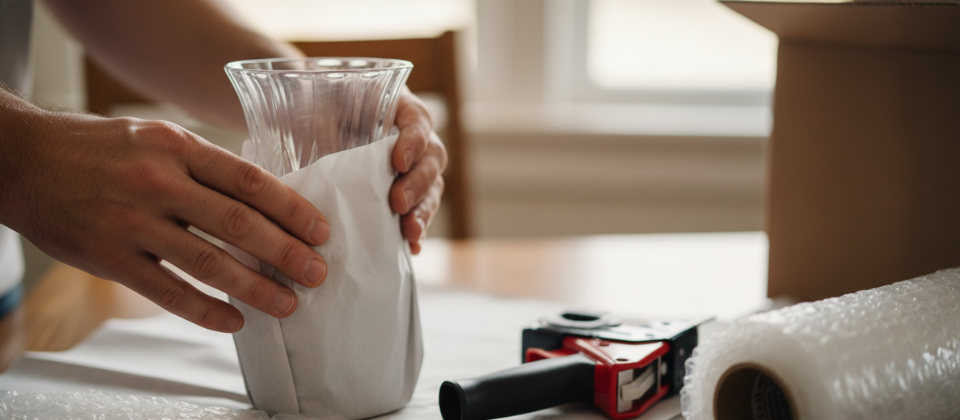
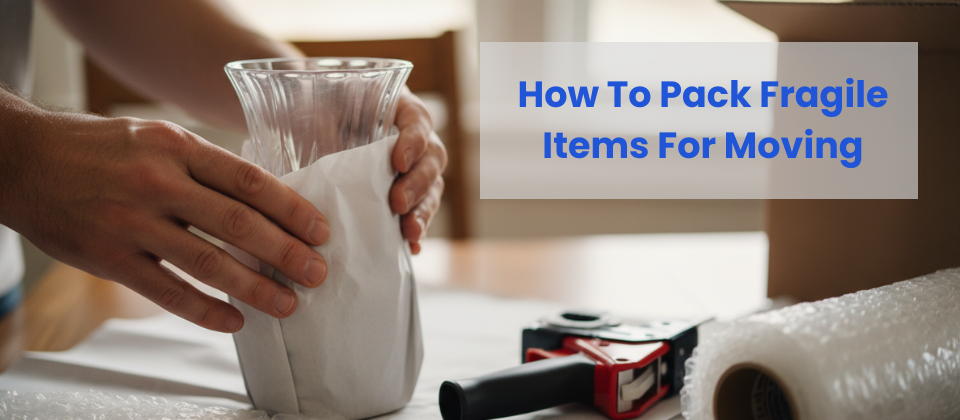
The best way to pack fragile items for moving goes beyond a simple checklist of supplies. True damage prevention comes from a professional packing strategy that systematically neutralizes the three forces that cause breakage: impact from drops, vibration from the road, and pressure from stacking inside the truck.
Beyond the Bubble Wrap: A Professional's Approach to Protecting Your Valuables
For over 140 years, since our founding in 1881, we at E.E. Ward Moving & Storage have seen what separates a stressful move from a seamless one. It often comes down to how delicate belongings are handled. While many guides offer basic tips, they miss the core principle that professional packers live by: we don't just wrap items, we create a custom suspension system inside every box.
Packing fragile items isn't about luck; it's about physics. Your treasured china, delicate stemware, and family heirlooms aren't just at risk from a single accidental drop. They face a journey filled with constant, subtle threats. By understanding these threats, you can build a defense that ensures your things arrive in one piece, whether you're undertaking a local move or a long-distance move across the country.
Understanding the Enemy: The Three Forces of Moving Damage
According to moving industry experts, damage to fragile items typically occurs in three main situations: items bumping into each other, shock damage from being dropped, and pressure from improper loading on the truck. This isn't just a challenge for residential moving; even preservation specialists consider the primary risks to be shock, vibration, and pressure when moving priceless collections. Let’s break down how to defeat each of these forces.
Force 1: Neutralizing Impact (The Drop)
The most obvious threat is the sudden shock from a box being dropped or mishandled. Your first line of defense is not just padding, but a properly engineered "crumple zone." Think of it like the bumper on a car—it’s designed to absorb and distribute the force of an impact before it reaches the precious cargo inside.
To achieve this, you must create a minimum 2-inch buffer of cushioning material on all six sides of the box. Start by creating a base layer of crumpled packing paper or cushion foam at the bottom. Then, use individual wrapping for each item. Generous amounts of bubble wrap are excellent for this, as the air-filled pockets dissipate energy effectively. Don't be shy with the packing tape; you want the wrap to be secure. Once all items are placed inside, ensure there's another 2-inch layer of padding on the top and sides before you seal the box.
Force 2: Canceling Vibration (The Road)
This is the silent destroyer. Over hundreds of miles, the constant vibration of the moving truck can cause items to shift, scrape, and collide with each other. A plate that looked perfectly secure at the start of the journey can arrive with chips and cracks from rubbing against its neighbor for hours on end. This is where void fill becomes critical.
The goal is to eliminate all empty spaces inside the box. After your items are wrapped and placed, you must fill every gap with crumpled unprinted newsprint, packing peanuts, or air pillows. The box should be so securely packed that if you gently shake it, you feel no movement and hear no sound. This ensures that your glassware and dishes aren't grinding against each other with every bump in the road. This technique of using filler is even recommended by library preservationists, who advise that books should be packed with filler material in the empty spaces to prevent tipping and shifting during transport.
Force 3: Defeating Pressure (The Stack)
During the loading the truck phase, boxes are stacked high to maximize space and ensure a stable load. A box that is half-empty or poorly constructed will be crushed under the weight of the boxes above it. Your packing effort must fortify the box itself, turning it into a sturdy, load-bearing brick.
First, always use high-quality cardboard boxes, like heavy-duty boxes or a specialized dish barrel box for kitchen items. Second, pack the box to the top. A full box is a strong box. Place heavier items like plates and platters at the bottom and lighter, more delicate belongings like stemware on top. Use cell kits or box dividers whenever possible; these corrugated inserts create individual cells for each glass, preventing them from touching and adding significant structural integrity. Finally, use plenty of packing tape to securely seal the bottom and top seams in an 'H' pattern for extra strength.
Common Mistakes to Avoid: From Amateur Errors to Packing Myths
Knowing what not to do is just as important as knowing the right steps. Avoiding these common pitfalls can save you from significant heartbreak and replacement costs.
The 'Item-in-Item' Mistake
It seems efficient to place a small, wrapped sugar bowl inside a larger, wrapped serving bowl. Don't do it. This common DIY packing error creates new, unpredictable impact points. The inner item can shift and act like a hammer against the outer one from the inside, concentrating force on a small area and defeating your careful exterior padding. Each fragile piece needs its own protected space.
Using the Wrong Materials
While a recent Realtor tip suggests using kitchen towels to wrap dishes to save space, this should be done with caution. Towels provide some padding but offer little protection against vibration and pressure. For truly valuable china and porcelain, there is no substitute for professional-grade packing supplies like bubble wrap and packing paper. Avoid using old newspapers, as the ink can transfer to your items. Always use new, sturdy boxes; old ones may have lost their structural integrity.
Forgetting to Label Correctly
Labeling fragile boxes is a crucial step. Use markers to write "FRAGILE" in large letters on at least two sides of the box. Add arrows indicating "THIS SIDE UP." This information is vital for the professional packers and movers handling your belongings. Proper labeling also streamlines the unpacking process, as you can mark which room the box belongs in, saving you time and effort in your new home.
A Tale of Two Strategies: Checklist Packing vs. System-Based Packing
When it comes to your move, you have two core philosophies for packing fragile items. Understanding the difference will help you assess the risk and cost involved.
Amateur/Checklist-Based Packing
This approach focuses on a list of materials (boxes, tape, bubble wrap) and a simple goal: wrap everything. It's a reactive method that adds padding but doesn't have a cohesive packing strategy to counter the specific forces of damage. While it may seem cheaper initially, it carries a higher risk of damage to valuable or sentimental items because it often overlooks the dangers of vibration and pressure.
Professional/System-Based Packing
This is the method used by every experienced moving company. It's a proactive system built on the principles of neutralizing impact, vibration, and pressure. It requires an understanding of cushioning techniques and the need for specialized materials like cell kits, mirror box protectors, and cushion foam. The upfront investment in time, proper materials, or full-service movers results in superior damage prevention and peace of mind.
Answering Your Top Packing Questions
Navigating a move comes with many questions. Here are answers to some of the most common queries we hear.
What is the hardest room to pack when moving?
Most professionals agree the kitchen is the most challenging. It contains a high volume of breakable items of various shapes and sizes—from dishes and plates to glassware, small appliances, and oddly shaped pottery. Applying the three-force system here, using a dish barrel box with cell dividers, is the key to success.
What will packers not pack?
For safety and liability reasons, professional movers will not pack certain things. This list typically includes hazardous materials (paint, chemicals, propane tanks), perishable food, plants, and pets. We also strongly advise you to personally transport high-value items like jewelry, currency, and critical personal documents.
Is UPS or USPS better for fragile packages?
This question is more relevant to shipping a single package than for an entire household move. Both carriers offer services with insurance for fragile shipments. However, a moving company is specialized in the safe transport of an entire home's worth of goods. The principles of secure packing—using a double boxing method for extra protection and filling all empty spaces—are universal. For specific collectibles, it's interesting to note that library archivists advise that digital media like CDs should be packed vertically on their edge to minimize the surface area exposed to impact, a tip that applies to any shipping method.
Making the Right Choice for Your Needs
The right way to pack depends on your budget, timeline, and the nature of the items you own. Here is some guidance to help you make a confident decision.
For the Budget DIY Mover
If cost savings is your top priority, you can still apply professional principles. Focus on acquiring sturdy boxes and use household linens and towels for extra padding, but be aware of the risks. Crumple packing paper tightly to create effective void fill. Never skimp on tape, and pack every box to be full and solid to prevent it from being crushed.
For the Careful Homeowner
If you own valuable antiques, artwork, or sentimental heirlooms, your risk tolerance is lower. Consider a hybrid approach. You can pack durable items like books and clothing yourself but invest in professional-grade packing supplies for your breakables. Alternatively, hire professional packers for a few hours just to handle your most precious cargo, like electronics, mirrors, and china. This gives you peace of mind where it matters most.
For the Overwhelmed Professional
If your primary concerns are saving time and eliminating stress, the answer is clear. Hiring full-service movers to handle all aspects of packing is an investment in efficiency and security. Professionals bring the right materials, the expertise, and the manpower to get the job done correctly and quickly, allowing you to focus on your work and family during a busy transition.
Ultimately, the decision rests on balancing cost, time, and the value of your fragile items. No matter which path you choose, adopting a systematic approach to packing will always yield better results than simply hoping for the best. For those planning a move and seeking the peace of mind that comes from true professional expertise, E.E. Ward Moving & Storage is here to help. With deep roots in Columbus, Ohio, and a nationwide reach, we've protected family treasures since 1881. Contact our team today for a transparent, no-obligation quote and let's plan your move with confidence.
Get a Quick Estimate For Your Upcoming Move!
We are here to help! Fill out our Quick Moving Estimate inquiry form and our team will contact you soon with a free estimate. Contact the office moving company with over a century of moving experience. Whether it’s a local downtown move or long-distance relocation — including business moves — we’re ready to help.
